There’s no question that vinyl and laminate flooring provide budget-conscious choices. They work well for large-scale projects or jobs where cash flow is tight. They can also work well when a minimalist approach is desired. That said, it’s still important to understand how these two flooring choices produce very different results.
Many folks think vinyl and laminate floors are pretty much the same thing. However, this is an incorrect assumption. In fact, they are produced very differently, and the two choices also perform differently. Knowing this in advance can help avoid mistakes that many folks don’t discover until after a choice is made and installed.
Vinyl Flooring Basics
First off, vinyl is the ideal artificial floor material. It is literally made of 100 percent plastic. In this respect, the flooring type is great when one wants to resist moisture penetration. This is the number one reason why it has been used for years in bathrooms and kitchens. These are areas where moisture exposure is often the highest.
One can spill water on vinyl and let it sit for hours without a problem in most cases. The main exception is when a seam is present and in direct contact with the liquid. However, because vinyl is made from plastic, it is fundamentally a petroleum-based product. Plastics come from oil by-products. As a result, vinyl is also vulnerable to liquids that can penetrate plastic, including other oils. This is the number one reason why food oil or grease can eventually discolor the material if it’s not cleaned up quickly. It’s also why vinyl can discolor where it is regularly cleaned with alcohol-based cleaners compared to areas of the floor without the same contact.
Types of Vinyl Flooring
Vinyl flooring comes in three general types. There is vinyl plank, which generally operates and installs like wood planks that fit and notch together when laid down. There is also wood plastic and polymer composite, or WPC, vinyl. Finally, there is rigid core vinyl, which is also known as SPC vinyl. Each type provides a slightly different construction and feel, giving homeowners more options when choosing the right flooring for a particular space.
Modern Vinyl Offers More Design Choices
Appearance-wise, vinyl had a bad reputation for a long time. That reputation came from the kinds of floors installed throughout suburban homes for decades until the 1990s. However, that old version of the material is no longer what shoppers will find today. In fact, the modern version is extremely robust and far better manufactured. It also comes with a tremendous number of choices and textures.
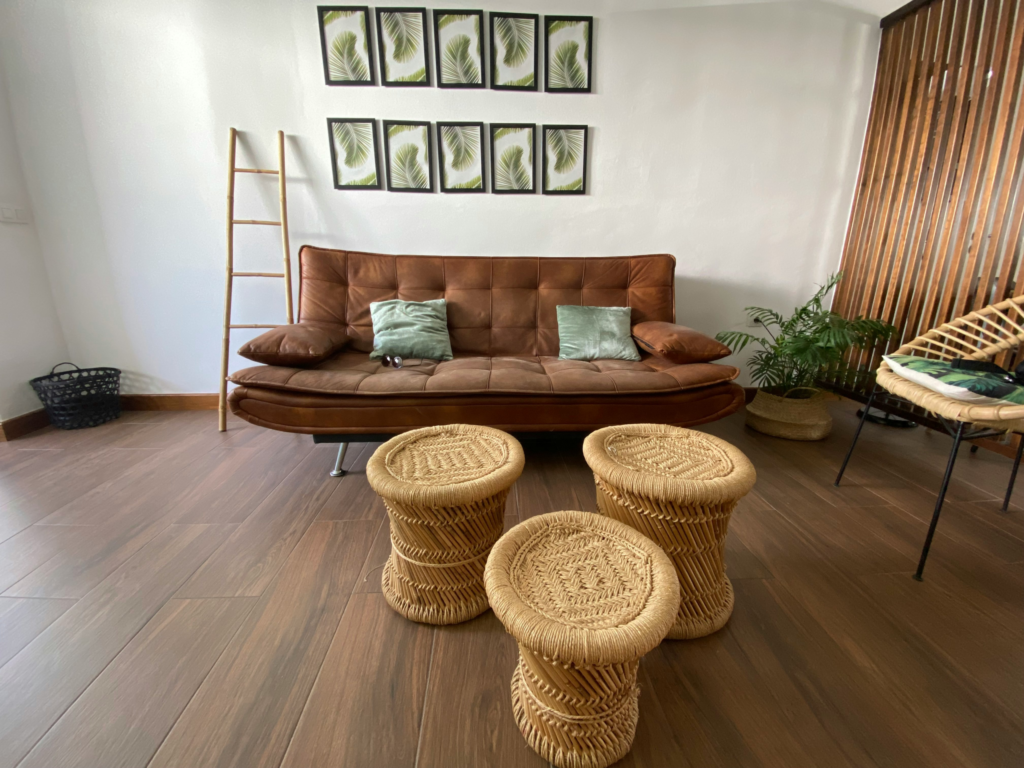
The latest versions of vinyl have been developed so well that they can replicate tile, stone, or slate flooring from just a few feet away. In many cases, it does not really look like vinyl until one gets close up. There are even wood-grain versions that do an excellent job of replicating real wood floors.
In terms of other aspects, vinyl floors tend to last longer than most other types, including laminate. However, it also costs more than laminate, particularly when a customer wants to install one of the luxury choices instead of a basic-level material.
Laminate Flooring Basics
Like vinyl, laminate flooring also counts as an entirely synthetic choice. It can be formed and manufactured to look a lot like natural wood, as well as standard textures and shapes. This makes it advantageous for folks looking for a flooring choice that provides a natural wood appearance without the related price tag. Laminate can offer the look people want while keeping the overall project more budget-friendly.
Laminate Flooring Feels Warmer Underfoot
The construction of laminate involves a thicker layer within the flooring itself. That can produce an insulation effect that makes it more comfortable to walk on compared to vinyl, particularly in the winter. Where vinyl will simply translate the temperature from a cement foundation underneath, laminate can provide a protective layer. This allows the floor to feel warmer and easier to walk on when not wearing shoes. For rooms where comfort underfoot matters, this can be an important difference.
Laminate Offers a Wide Range of Styles
Appearance-wise, laminate tends to have strong aesthetic appeal. In addition, laminate has a wide assortment of colors, textures, patterns, and styles to choose from. The detailing tends to be more distinct compared to rounded details found on some vinyl products. This gives laminate an edge when it comes to the appearance and definition of different textures. For homeowners who want a floor that closely resembles natural wood, laminate can provide plenty of attractive options.
Where Does Laminate Flooring Work Best?
Laminate flooring works extremely well for high-traffic areas aside from the kitchen and bathroom. No surprise, it’s often used in walkways, entryways, family rooms with high use, and dining rooms as well.
Commercially, laminate frequently tends to be chosen for office areas and meeting rooms where there is frequent traffic. It can also work well in spaces used for outside parties, entertaining, and convention-style meetings.
Laminate Flooring and Moisture
However, laminate does have some drawbacks. First off, when it comes to moisture resistance, this material doesn’t perform as well as vinyl. While it can provide some level of water resistance, it is not as reliable as vinyl.
In fact, sitting water can penetrate laminate and damage it considerably. As a result, many professionals will advise against laminate being used in kitchens or bathrooms where sitting water can happen repeatedly, even daily. This is an important consideration when choosing between the two flooring options.
Laminate Flooring Lifespan and Cost
Second, laminate flooring has a shorter performance lifespan. The typical durability expectation for laminate, even with high-quality choices, tends to be about 10 years. It might last longer if installed in areas with low traffic. However, this shorter life expectancy is offset by the fact that laminate is far cheaper to install than almost all other types of flooring. That makes it particularly ideal for tight-budget projects. It can also be a great option when someone wants to give a room or home a renovated, new look without breaking the bank.
Vinyl vs. Laminate: Which Is Right for Your Space?
Every situation is somewhat different, so it’s very hard to say there is an ideal choice that fits every scenario. Vinyl may make more sense when moisture resistance and a longer lifespan are important. Laminate may be a better fit when appearance, comfort, and affordability are bigger considerations. The right choice ultimately depends on the room, how the space is used, expected traffic, moisture exposure, and the overall budget.
Considering a New Floor?
If you’re considering a flooring project or trying to figure out what you can do with a specific budget, S & R Carpet and Floors can help. We stock both laminate and vinyl choices and provide professional installation services as well. We can provide a full evaluation of your home or facility and point out the pros and cons for each option in your particular situation.
Give us a call or email to schedule an appointment. We can walk you through all the details and help you understand which choice gives you the best value for your time and money. After all, your flooring choice is an investment. It should give you the best return possible.