Flooring is an often-overlooked part of interior design, yet it plays a major role in shaping the feel of a space. The history of flooring is a fascinating journey through centuries of changing lifestyles, craftsmanship, and design preferences. What started as a basic necessity eventually became an important part of interior style. From humble earthen floors to luxurious hardwood and modern innovations, flooring has continued to evolve. Many of the styles we enjoy today can be traced back to earlier materials and techniques.
The History of Flooring – From Function to Style
The history of flooring begins with simple materials that provided people with a stable surface. Over time, new materials and construction methods gave homeowners more choices. Flooring eventually became about more than simply creating a surface to walk on.
Different periods introduced ideas that continue to influence modern flooring. Natural materials, decorative patterns, comfort, durability, and new technology all played a role. Today’s flooring options combine many of these ideas in new and practical ways.
Earthen Floors – The Dawn of Civilization (Neolithic Era)
The earliest known form of flooring was simple and practical. During the Neolithic era, humans began moving from nomadic lifestyles into settled communities. As people built more permanent homes, earthen floors became common. Clay and mud were compacted and smoothed over, creating a basic but functional surface.
These floors helped insulate homes and provided a more stable surface for everyday activities. While modern homeowners have many more choices, the basic purpose remains familiar. Flooring still needs to be practical, comfortable, and suited to the space. Natural materials and earthy colors also continue to influence modern interior design.
Roman Opulence – Mosaics and Hypocausts (27 BC – 476 AD)
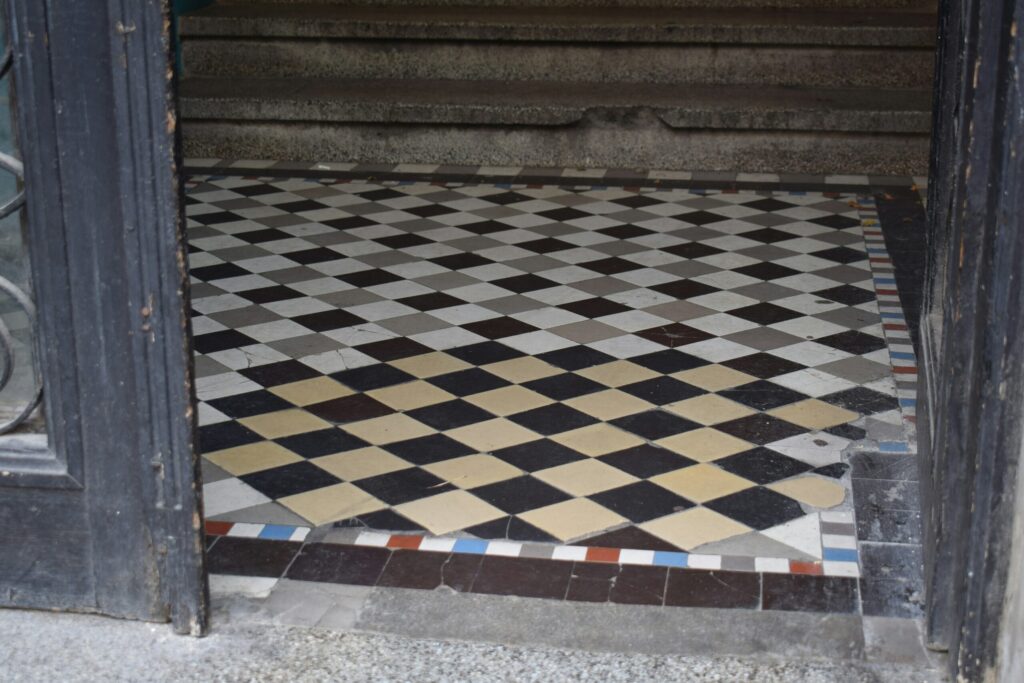
The ancient Romans took flooring to a completely different level. Lavish mosaic tile floors became a feature in the homes of wealthy families. These floors featured intricate patterns, detailed images, and vibrant colors. Flooring was no longer simply something to walk on. It became an opportunity to display craftsmanship and personal style.
The Romans also developed the hypocaust system, which provided underfloor heating. This showed how flooring could combine beauty with practical comfort. Modern radiant heating systems follow a similar concept. Roman mosaics also helped establish tile as an important decorative material. Today, patterned tile continues to bring visual interest to kitchens, bathrooms, entryways, and other spaces.
Medieval Tapestry – Stone and Wooden Floors (500 – 1500 AD)
The Middle Ages brought greater variety to flooring materials. Stone floors were common in cathedrals, castles, and other substantial buildings. They provided durability and helped create a sense of permanence. Wooden floors became more popular in the homes of the wealthy and offered a warmer alternative to stone.
Intricately patterned parquet floors also began to emerge. Craftspeople arranged small pieces of wood into geometric designs, creating decorative patterns across the floor. This attention to detail helped establish hardwood as both a functional material and a design feature.
Modern hardwood flooring still reflects many of these early ideas. Wide planks, geometric patterns, and detailed woodwork remain popular choices. Today’s manufacturing methods make these styles more accessible to a much wider range of homeowners.
Renaissance Elegance – Versailles and Marquetry (1400 – 1700 AD)
The Renaissance brought a renewed interest in art, architecture, and craftsmanship. Flooring became another way to showcase those interests. The Palace of Versailles became a famous example of elaborate flooring, particularly through its intricate parquet patterns.
Marquetry also became more prominent during this period. Craftspeople used different types and colors of wood to create detailed designs and decorative images. Floors could become works of art that complemented the architecture and furnishings around them.
The influence of this period can still be seen in modern hardwood flooring. Herringbone, chevron, parquet, and other patterned floors remain popular today. Modern technology allows homeowners to achieve these sophisticated looks without the same level of labor required centuries ago.
Industrial Revolution – Engineered Flooring and Linoleum (18th – 19th Century)
The Industrial Revolution changed nearly every part of daily life, including flooring. New manufacturing processes made it possible to produce flooring more efficiently and consistently. Engineered wood flooring emerged as a practical alternative to solid wood. It uses layers of wood bonded together, creating greater stability in changing conditions.
Linoleum also became a popular and affordable flooring choice. Made from linseed oil and other natural materials, it offered a durable surface for homes and businesses. These developments helped move flooring beyond custom craftsmanship and toward products that could be produced for larger numbers of people.
Many modern flooring products follow this same approach. Manufacturers continue to combine materials and technology to create flooring that offers durability, stability, and attractive designs. The focus has shifted from simply making flooring available to making it perform better for modern lifestyles.
Mid-20th Century – Carpeting and Vinyl (1930 – 1970)
The mid-20th century brought major changes in how people thought about comfort and home design. Wall-to-wall carpeting became increasingly popular in residential spaces. Carpet added warmth, softness, and color while helping create a more comfortable atmosphere.
Vinyl flooring also became a popular choice during this period. It offered affordability, easy maintenance, and a wide range of patterns and colors. Advances in manufacturing allowed vinyl to mimic other materials while remaining practical for busy homes.
The influence of this period is still easy to see today. Carpet remains a popular choice for bedrooms, living rooms, and other areas where comfort matters. Modern vinyl has also evolved considerably. Today’s products can recreate the appearance of wood, stone, and tile with more realistic textures and designs.
Contemporary Innovations – Laminate, Tile, and Sustainable Materials (Late 20th Century – Present)
In recent decades, flooring has continued to evolve through new materials, manufacturing methods, and design technology. Laminate flooring uses multiple layers fused together to create a durable surface. It can mimic the appearance of hardwood, stone, and other materials while offering a practical option for many homes.
Tile has also continued to develop. Ceramic and porcelain tile now come in an enormous range of colors, patterns, textures, sizes, and finishes. Modern printing technology can create remarkably realistic wood and stone looks. This gives homeowners more freedom to create traditional, modern, or completely custom looks.
Sustainability has also become an increasingly important part of flooring design. Materials such as bamboo, cork, and reclaimed wood offer alternatives to more traditional flooring products. Many homeowners now consider how flooring is made, where materials come from, and how long products can last.
Today’s flooring choices reflect ideas that have been developing for thousands of years. We still value the warmth of wood, the durability of stone, the patterns of tile, and the comfort of carpet. The difference is that modern technology gives us more ways to achieve those looks and benefits.
The history of flooring is a journey from the basic need for a durable surface to an important part of interior design. Each period introduced materials, techniques, and styles that influenced what came next. Understanding the history of flooring also helps explain why certain materials and patterns remain popular today.
Today, the wide variety of flooring options allows homeowners to choose based on aesthetics, functionality, comfort, and environmental considerations. The history of flooring shows how these priorities have continued to evolve while many traditional ideas remain relevant.
As we walk across the floors in our homes and public spaces, we’re experiencing a small piece of that history. Many of today’s most popular flooring styles have roots that stretch back hundreds or even thousands of years. Modern flooring simply gives us new ways to bring those ideas into our spaces.